Pet Grooming and Local Regulations: What You Need to Know


Understanding Local Pet Grooming Regulations
Pet grooming is more than just a luxury for pets; it's a necessity that ensures their health and well-being. However, if you own a pet grooming business or plan to start one, it's crucial to understand the local regulations that govern this service. Compliance with these regulations not only helps maintain high standards of care but also protects your business from legal issues.

Licensing and Permits
Most regions require pet grooming businesses to obtain specific licenses and permits before operating. These typically include a general business license and a specialized pet grooming license. Ensuring that your paperwork is in order is the first step toward running a legitimate business. Check with your local government offices to understand what licenses are necessary for your area.
Health and Safety Standards
Maintaining health and safety standards is paramount in the pet grooming industry. Local regulations often dictate specific hygiene practices that must be followed. This includes using appropriate cleaning supplies, ensuring proper ventilation, and maintaining a clean environment to prevent the spread of diseases. Regular inspections may be conducted to ensure compliance with these standards.
Animal Welfare Laws
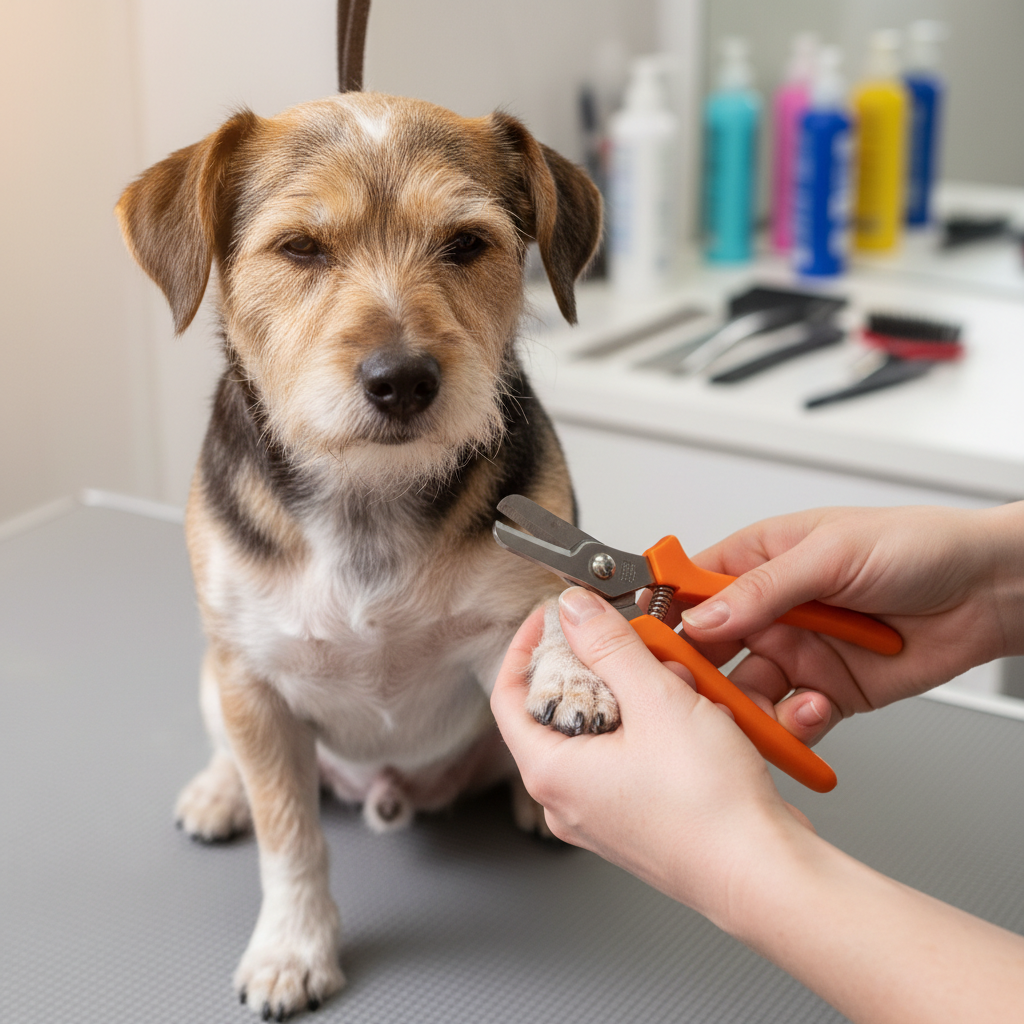
Animal welfare is at the heart of pet grooming regulations. Laws are in place to protect animals from abuse and ensure they receive proper care during grooming sessions. These laws might include guidelines on handling pets, the duration of grooming sessions, and the types of products that can be used. Familiarize yourself with these regulations to ensure ethical treatment of all animals in your care.
Staff Qualifications and Training
Many areas require that pet groomers have specific qualifications or certifications. This ensures that staff are knowledgeable about animal behavior, grooming techniques, and first aid. Investing in ongoing training for your team can also enhance your service quality and client trust.
Building Codes and Zoning Laws
Pet grooming businesses must adhere to local building codes and zoning laws. This involves ensuring your facility meets the requirements for commercial operation, such as accessibility features and safety measures. Understanding zoning laws can prevent potential issues with neighbors and local authorities.
Environmental Regulations
Environmental regulations may affect how you dispose of grooming waste, such as hair and cleaning chemicals. Proper disposal methods help minimize environmental impact and avoid potential fines. Stay informed about your region's waste management policies to comply with these regulations.
Staying Informed and Compliant
Regulations can change, so it's important to stay informed about any updates or amendments to local laws. Joining a professional grooming association can provide resources and support to help you remain compliant. Remember, staying proactive about legal obligations protects both your business and your clients.