DIY Pet Grooming: What You Can Do Between Appointments


Keeping your pet looking their best between grooming appointments doesn't have to be a daunting task. With a bit of time and some simple tools, you can maintain your pet's appearance and health. DIY pet grooming is not only cost-effective but also a great way to strengthen your bond with your furry friend.
Brushing Your Pet's Coat
Regular brushing is essential for maintaining your pet's coat and preventing matting. The type of brush you need depends on your pet's fur. For short-haired pets, a rubber brush or bristle brush works well, while long-haired pets may require a slicker brush or a comb.
Benefits of Regular Brushing
Brushing helps distribute natural oils, keeping the coat shiny and healthy. It also reduces shedding and minimizes hairballs in cats. Aim to brush your pet at least once a week, or more often if they have a longer coat.

Bathing Your Pet
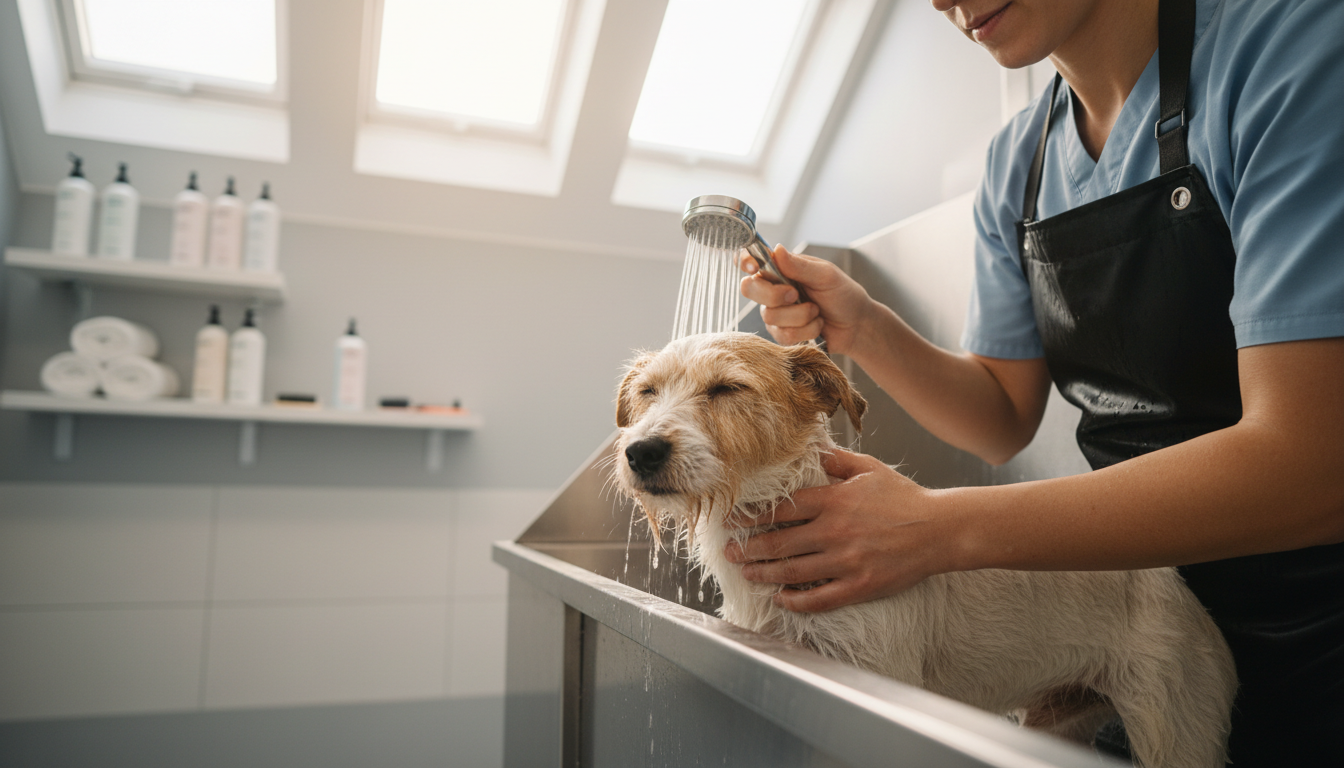
Bathing your pet helps keep their skin and coat clean. However, over-bathing can strip their fur of natural oils. Generally, a bath every 4-6 weeks is adequate, but this can vary based on your pet's breed and lifestyle.
Choosing the Right Shampoo
Use a pet-specific shampoo to ensure it's gentle on their skin. Avoid human shampoos, as they can cause irritation. Consider a hypoallergenic shampoo if your pet has sensitive skin.
Trimming Nails
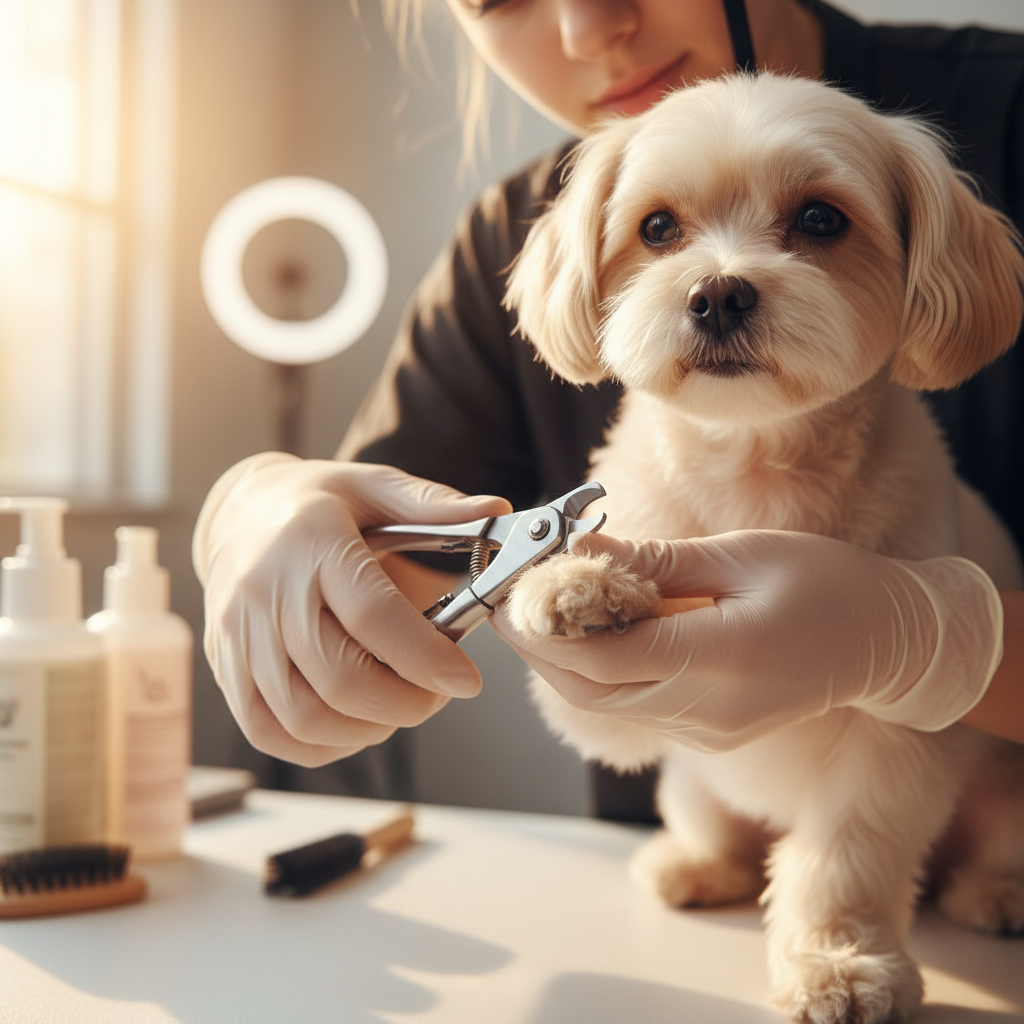
Keeping your pet's nails trimmed is crucial for their comfort and health. Long nails can lead to discomfort or even injury. Use a pet nail clipper and be careful to avoid the quick, the sensitive area inside the nail.
How to Trim Safely
If you're unsure about trimming nails, consult your vet or a professional groomer for a demonstration. Gradually introduce your pet to the process, using treats to make it a positive experience.
Cleaning Ears and Eyes
Regular ear and eye cleaning prevent infections and discomfort. Use a vet-recommended ear cleaner and cotton balls for ears, and a damp cloth for wiping around the eyes.
Signs to Watch For
Be alert for any signs of infection, such as redness, bad odor, or excessive discharge. If you notice these, consult your vet promptly.

Dental Care
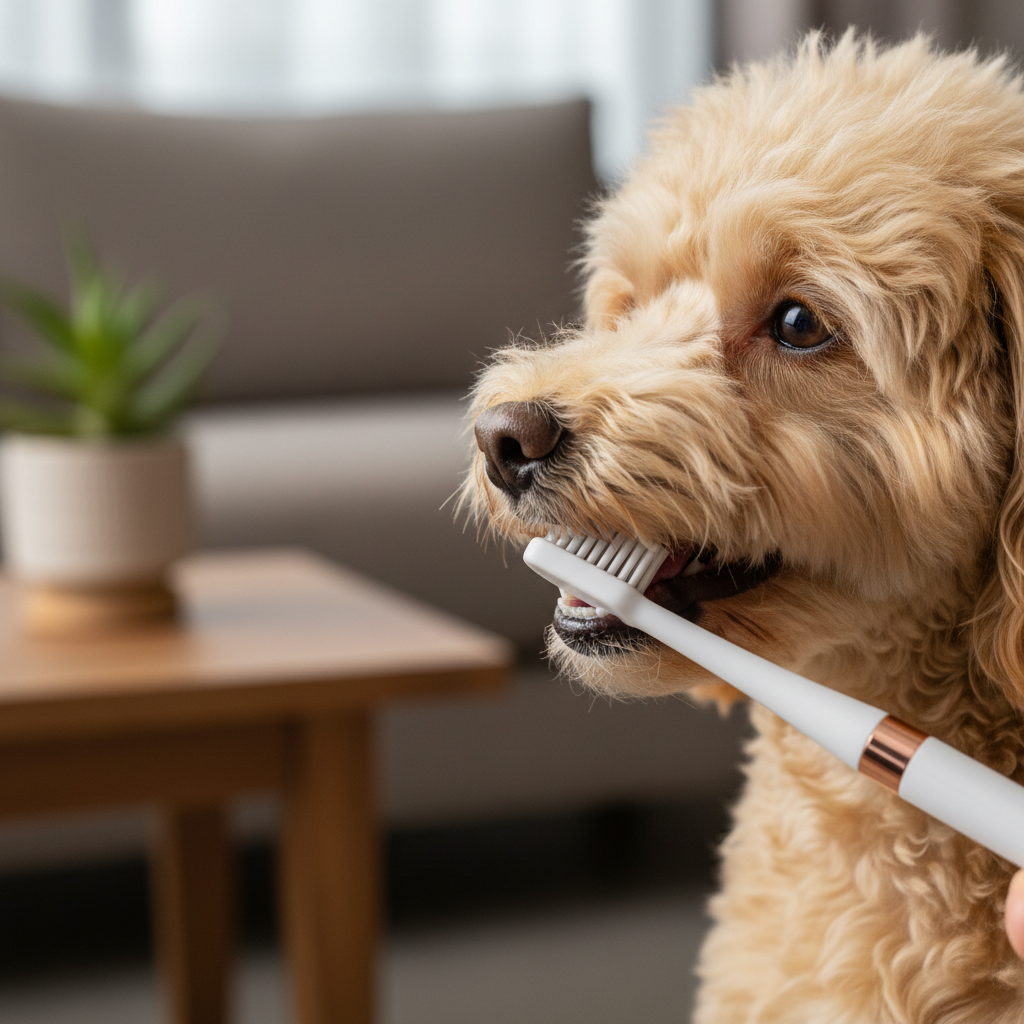
Oral hygiene is often overlooked but is crucial for your pet's overall health. Regular brushing with pet-specific toothpaste can prevent plaque buildup and bad breath.
Alternatives to Brushing
If brushing isn't feasible, consider dental treats or toys designed to promote oral health. Regular check-ups with your vet will also help keep your pet's teeth in top condition.