DIY Pet Grooming: What You Can Do at Home and When to Call a Professional


Introduction to DIY Pet Grooming
Grooming your pet at home can be a rewarding experience that strengthens your bond while saving you money. With the right tools and techniques, you can keep your furry friend looking and feeling great. However, it's also crucial to recognize when professional grooming services are necessary to ensure your pet's health and safety.
Essential Tools for At-Home Grooming
Before you start grooming your pet, you'll need to gather a few essential tools. These include a quality brush or comb, pet-friendly shampoo, nail clippers, and ear-cleaning solutions. Depending on your pet's breed and coat type, additional tools like clippers or a de-shedding tool may be beneficial.
Regular brushing is vital for maintaining a healthy coat and reducing shedding. For dogs with long fur, a slicker brush is often ideal, while a bristle brush works well for short-haired breeds. Cats may prefer a comb or grooming glove.
Bathing Your Pet
When it comes to bathing your pet, using a shampoo specially formulated for animals is important. Human shampoos can irritate a pet's skin due to their different pH levels. Ensure you rinse thoroughly to prevent any residue from causing irritation.
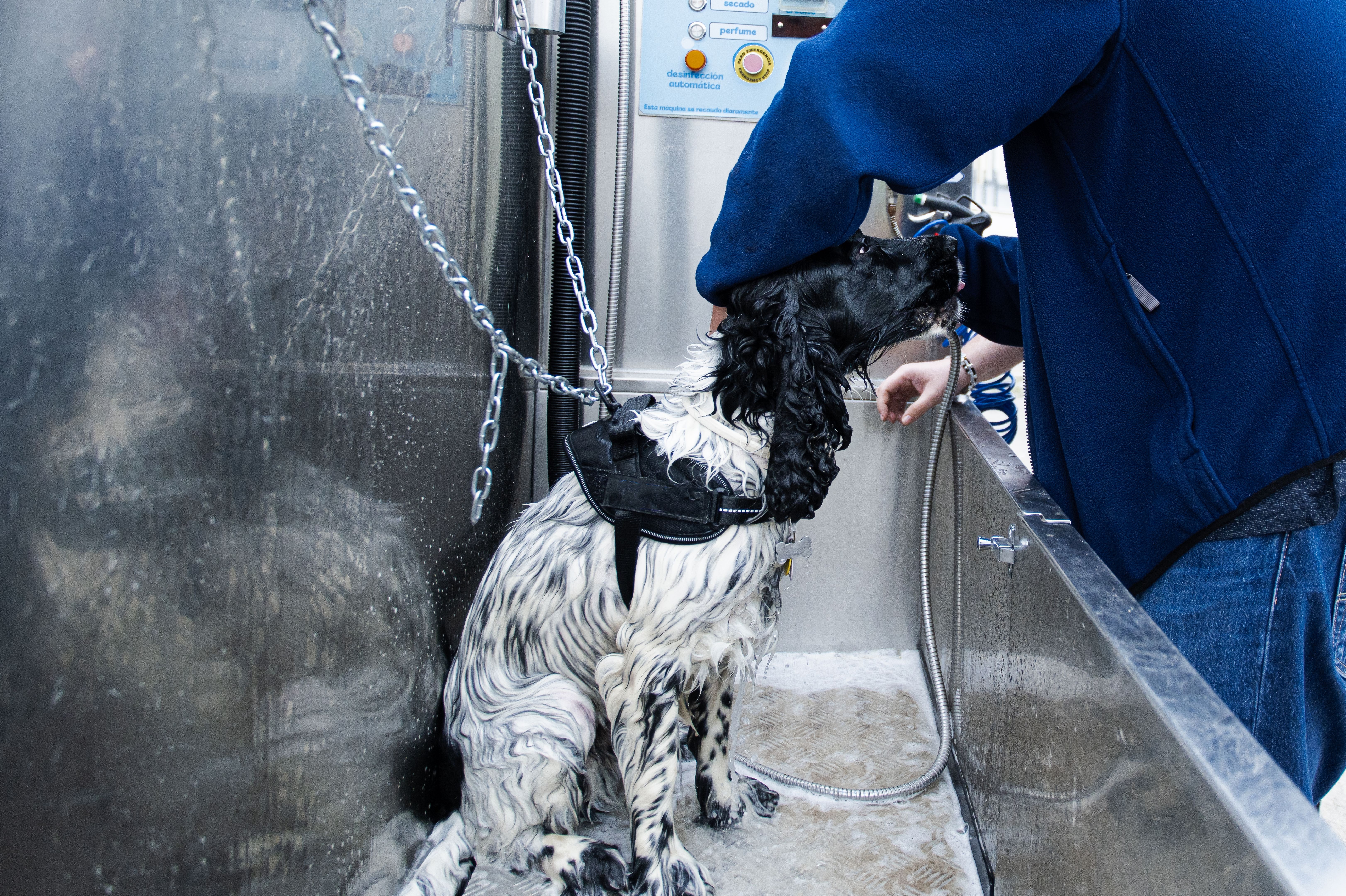
Most pets only need a bath every few months, but this can vary based on their activity level and coat type. Regular bathing helps remove dirt and allergens, keeping your pet's skin healthy.
Nail Trimming Tips
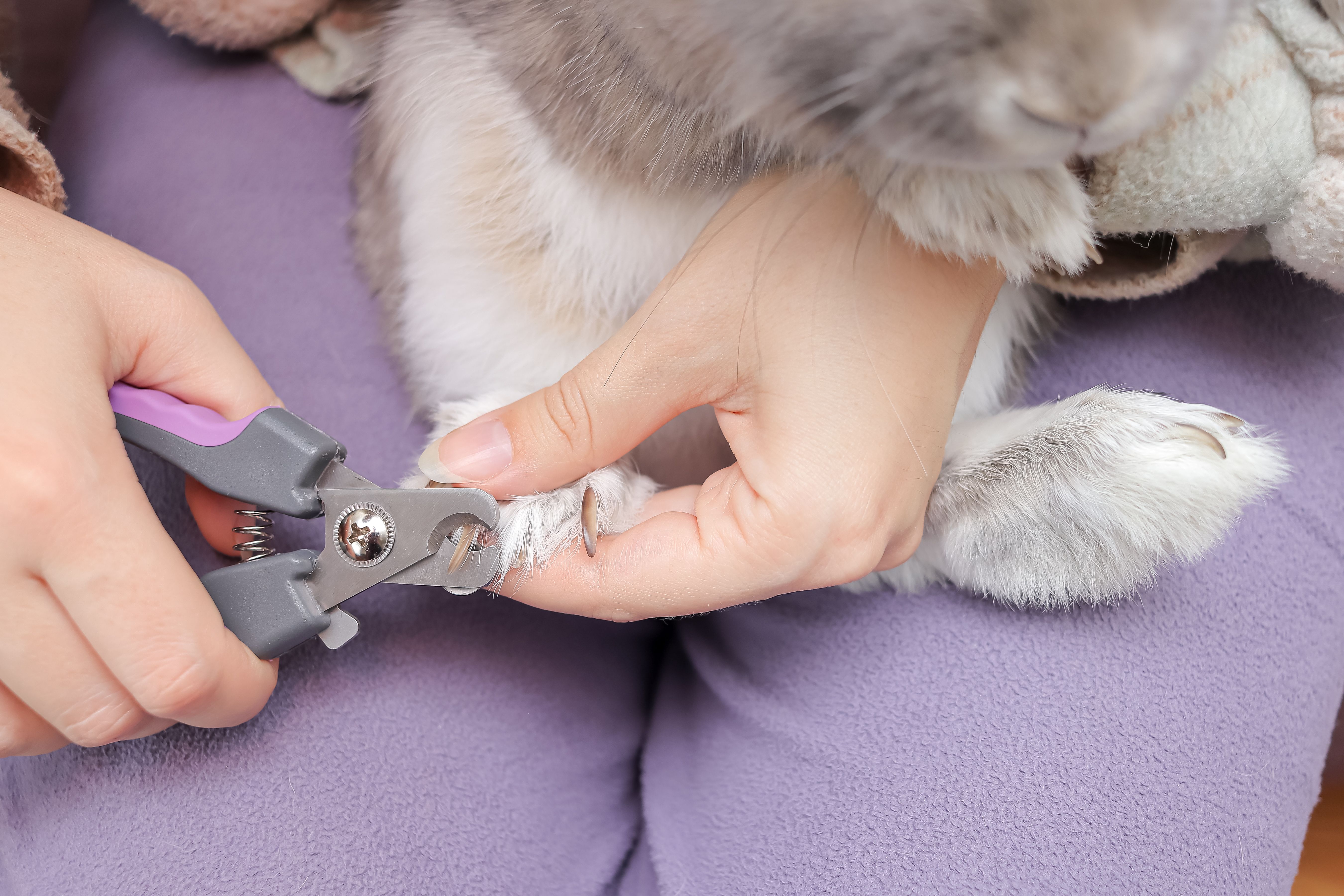
Trimming your pet's nails is crucial for their comfort and mobility. Invest in a good pair of pet nail clippers and a styptic powder to stop bleeding in case of accidental nicks. Gently hold your pet's paw and trim the tip of the nail, avoiding the quick—a sensitive area that can bleed if cut.
If you're unsure about nail trimming, many vets and groomers offer quick lessons or allow you to observe their technique.
When to Call a Professional
While DIY grooming can be effective, there are times when you should seek professional help. If your pet has heavily matted fur, skin conditions, or behavioral issues during grooming, a professional groomer is equipped to handle these situations safely.
Additionally, certain breeds with complex grooming needs, such as Poodles or Persian cats, often require professional grooming to maintain their coat and overall health.
Conclusion
DIY pet grooming can be a fulfilling activity that enhances your pet's well-being. With the right tools and knowledge, you can manage many aspects of grooming at home. However, it's important to recognize when professional intervention is necessary to ensure your pet remains healthy and happy. Whether you choose to groom at home or seek professional services, the key is consistency and care.