DIY Pet Grooming: Tips and Tricks for Between Professional Visits


Understanding Your Pet's Grooming Needs
Regular grooming is essential for your pet's health and well-being. While professional groomers provide comprehensive care, maintaining your pet's grooming routine between visits can keep them comfortable and looking their best. Understanding your pet's specific grooming needs is the first step. Different breeds and coat types require varying levels of care.
Basic Grooming Supplies
To start your DIY pet grooming journey, you'll need some basic supplies. A quality brush or comb is crucial, especially for long-haired breeds. Nail clippers, pet-friendly shampoo, and a good pair of scissors are also essential. It's important to choose products that are safe and appropriate for your pet's specific needs.
Brushing and Detangling
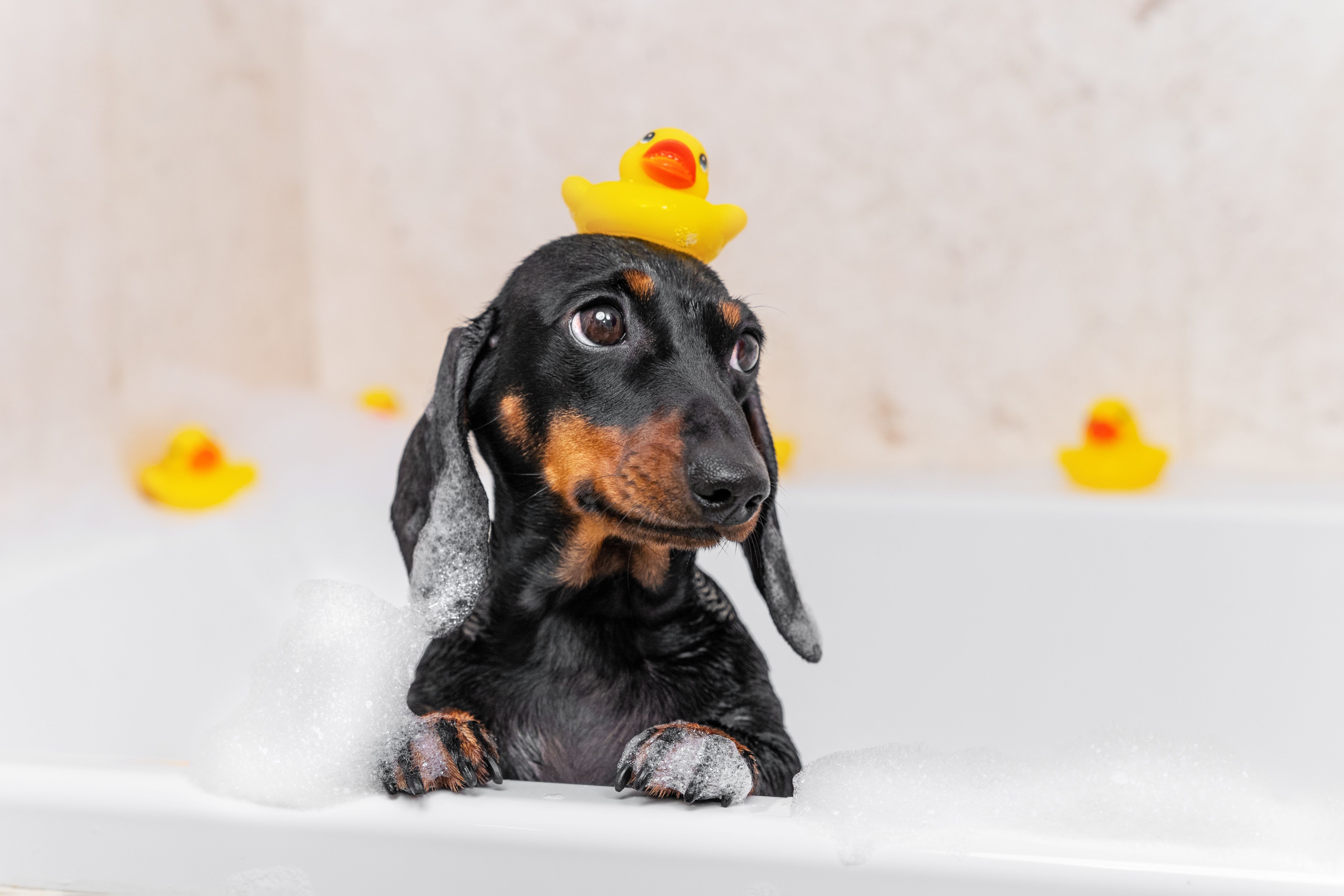
Regular brushing helps prevent matting and reduces shedding. It also provides an opportunity to check for fleas, ticks, or skin conditions. For dogs and cats, aim to brush their coats at least once a week. Use a detangling spray if necessary to make the process smoother and more comfortable for your pet.
Bathing Tips
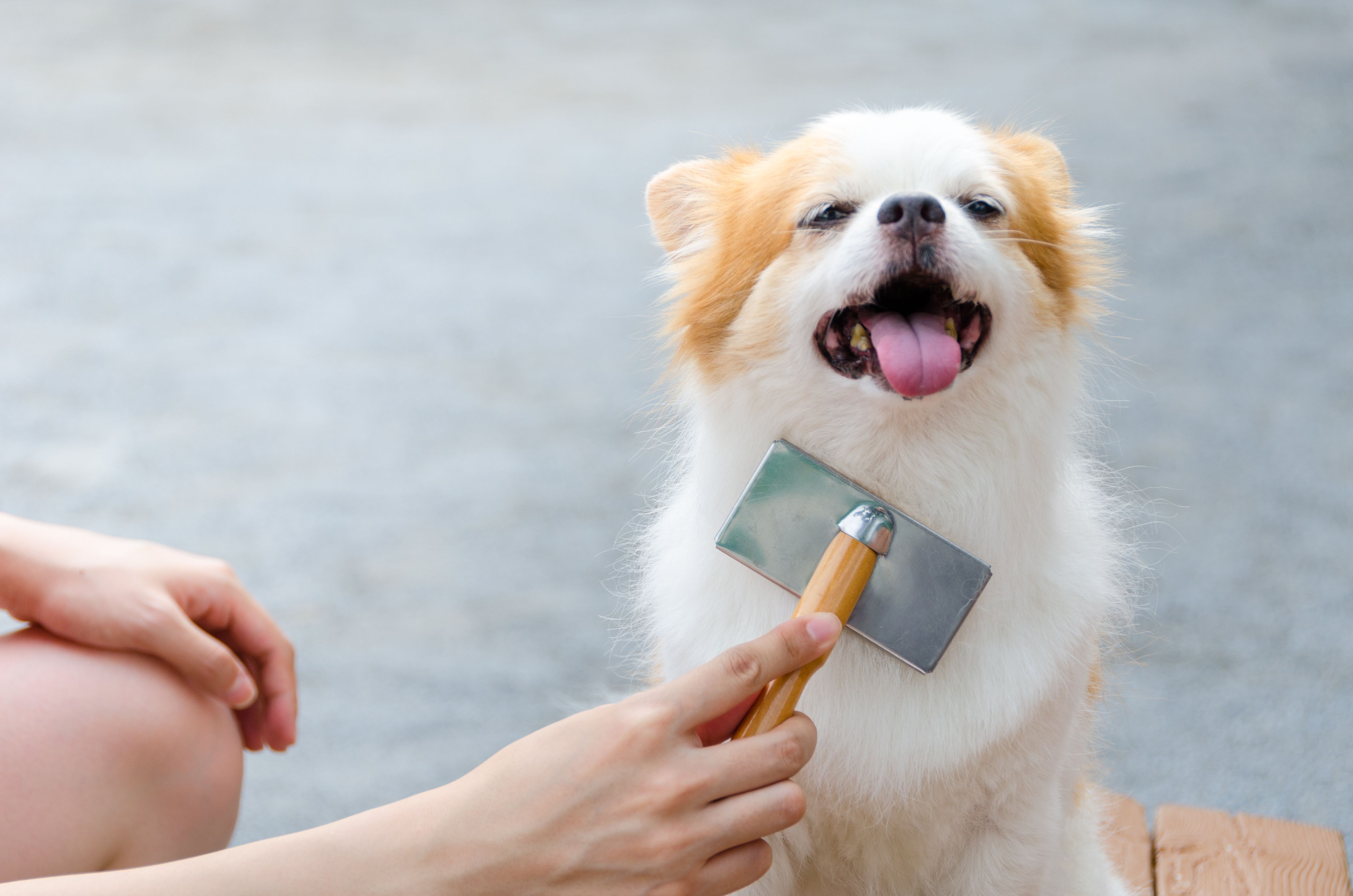
Bathing your pet can be a fun and bonding experience. Use lukewarm water and a pet-safe shampoo. Be sure to avoid getting water and soap in your pet's eyes and ears. After rinsing thoroughly, dry your pet with a towel and use a blow dryer on a low setting if needed. Remember, over-bathing can strip natural oils, so once every month or two is usually sufficient.
Nail Trimming
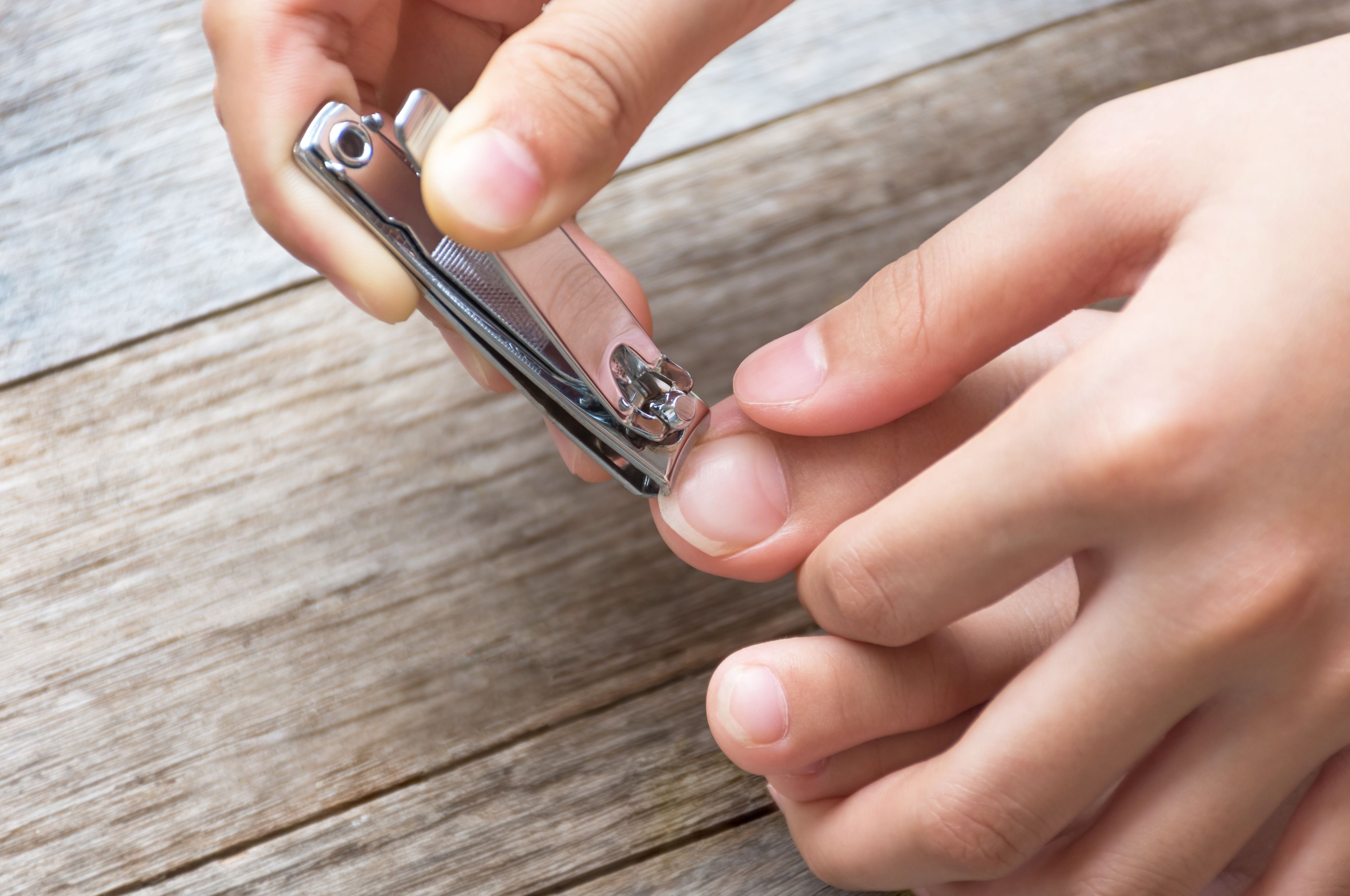
Keeping your pet's nails trimmed is important for their comfort and mobility. Use a pair of pet-specific nail clippers and trim just the tip of each nail. Be cautious not to cut too close to the quick, which can cause pain and bleeding. If you're unsure, watch tutorials or ask your vet for guidance.
Ear Cleaning
Regular ear cleaning helps prevent infections and discomfort. Use a vet-recommended ear cleaner and gently wipe the outer part of your pet's ear with a cotton ball. Avoid inserting anything deep into the ear canal. If you notice redness or an unusual odor, consult your vet as these may be signs of an infection.
Dental Care
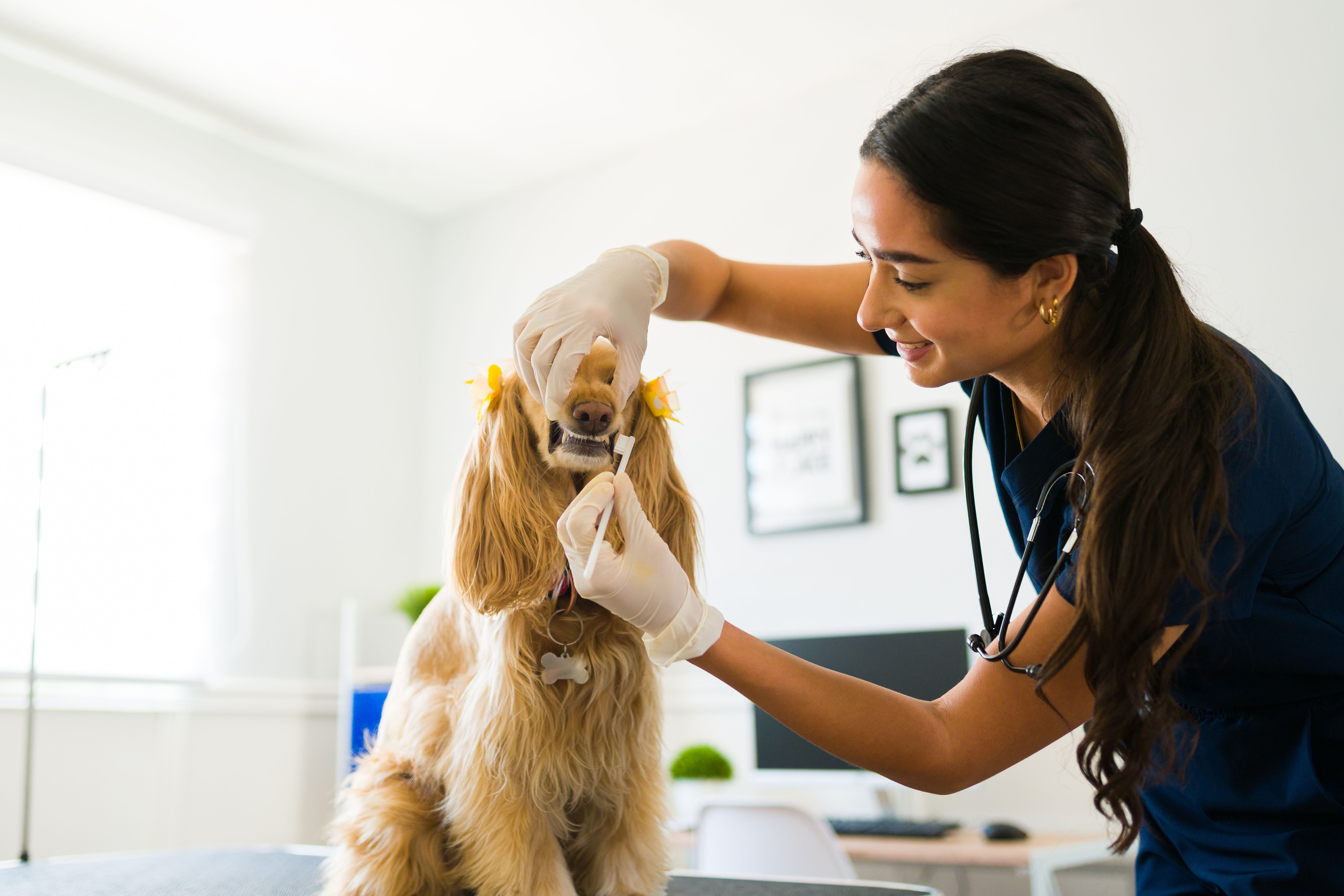
Dental hygiene is often overlooked but is crucial for your pet's overall health. Brush your pet's teeth with a pet-safe toothpaste and toothbrush. Dental chews and toys can also help reduce plaque and tartar buildup. Regular check-ups with your vet will ensure your pet's teeth remain healthy.
Keeping It Fun and Safe
Always ensure that grooming is a positive experience for your pet. Use treats and praise to reward good behavior and be patient. If your pet becomes stressed, take breaks and try again later. Safety should always be a priority, so never leave your pet unattended during grooming.
By incorporating these DIY grooming tips into your routine, you can help maintain your pet's health and appearance between professional visits. Not only will your pet look and feel better, but you'll also strengthen your bond through these shared experiences. Happy grooming!